

Insights for a healthier you
Welcome to the Vita Nutrition Clinic blog, your trusted source for science-backed nutrition and functional health insights. Dive into our articles to learn more about optimising your well-being.

Understanding your gut and hormones
Explore educational articles about gut health, microbiome testing, hormone balance, and the connection between these vital systems. We break down complex scientific concepts into easy-to-understand health insights, offering personalised nutrition advice. Learn how understanding your body's intricate processes can lead to significant improvements in your overall health and vitality.
Addressing fatigue and weight concerns
Many individuals struggle with persistent fatigue and difficulty managing weight, often despite having "normal" blood test results. Our blog delves into the root causes of these common complaints, offering functional medicine approaches and personalised nutritional strategies. Discover how to identify underlying issues, from genetics to stress, and regain control over your energy levels and body composition.
What is GI mapping ( advanced microbiome ) testing?
GI-MAP is an advanced stool microbiome test designed to give a deeper understanding of your gut health. It analyses different types of bacteria, parasites, inflammation markers, and digestive function to identify imbalances that may be affecting your overall well-being.
Unlike routine tests, GI-MAP provides a more detailed view of the gut microbiome and how it may influence energy, hormones, immunity, mood, and inflammation.
Symptoms Linked to Gut Imbalance
Gut imbalances can affect much more than digestion alone. Many people experience symptoms for years without understanding the underlying cause.
Common symptoms may include:
- bloating
- fatigue
- brain fog
- anxiety
- BS symptoms
- skin issues
- low mood
- food sensitivities
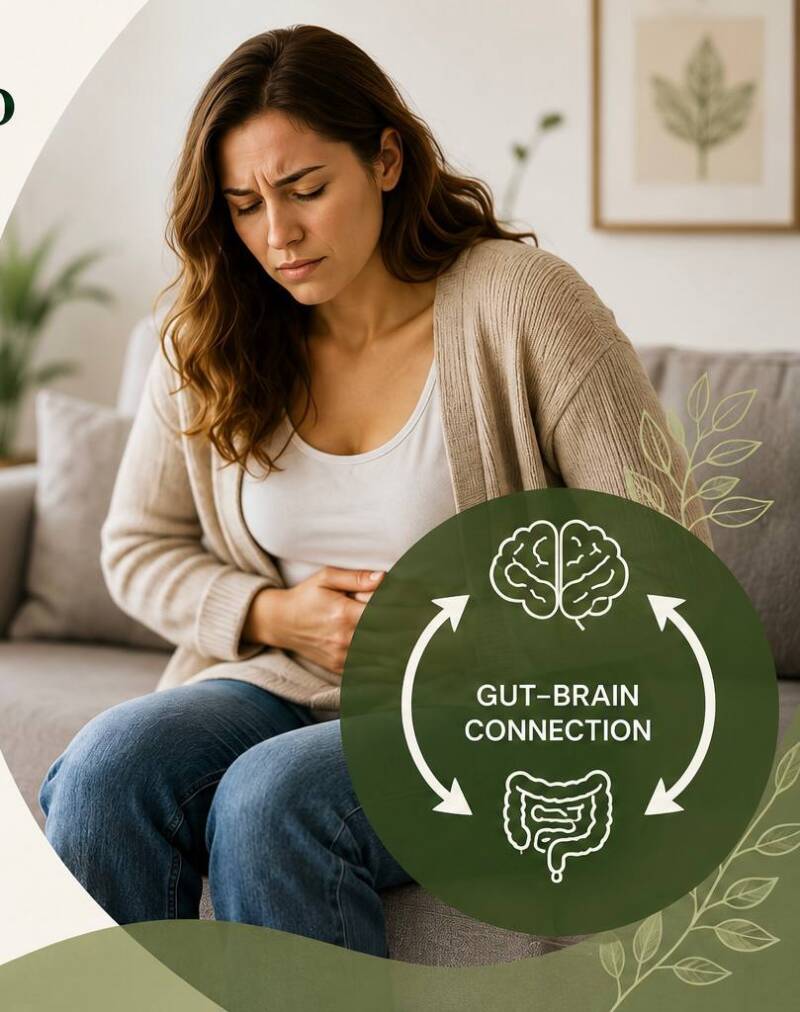
The gut and brain are closely connected, which is why digestive health can also influence stress response, sleep, and emotional well-being.

Why Standard Tests Often Miss Gut Problems
It is possible for routine blood tests to appear “normal” while symptoms continue.
Traditional testing may not fully assess the gut microbiome, hidden inflammation, digestive function, or microbial imbalances. As a result, underlying dysfunction can sometimes go unnoticed for long periods of time.
The gut microbiome also plays an important role in:
- Hormone balance
- Immune function
- Nutrient absorption
- Inflammation regulation
- Neurotransmitter production
This is why a deeper investigation can sometimes reveal important missing pieces of the puzzle.
My Functional Nutrition Approach
My approach combines genetics, microbiome analysis, and personalised nutrition to better understand the root causes behind ongoing symptoms.
Rather than focusing only on symptom management, I look at how different systems in the body interact, including:
- Gut microbiome health
- Hormone balance
- Stress and burnout
- Inflammation
- Nutritional deficiencies
- Genetic predispositions
If you would like to explore whether GI-MAP testing or functional nutrition support may be suitable for you, consultations can be booked through Vita Nutrition Clinic.👉 Book here

Fatigue After COVID: Why You May Still Feel Exhausted and How Nutritional Support Can Help
Post-COVID fatigue is one of the most commonly reported symptoms of Long COVID. While the exact cause is still being researched, several factors may contribute, including ongoing inflammation, nutrient deficiencies, changes in gut health, disrupted sleep, hormonal imbalances, and altered energy production within the body's cells.
The Role of Nutrition
Nutrition cannot cure Long COVID, but it may play an important role in supporting recovery and identifying factors that may be contributing to ongoing symptoms.
At Vita Nutrition Clinic, I take a personalised approach to investigating potential nutritional and lifestyle contributors to fatigue. This may include reviewing:
- Dietary intake and eating patterns
- Blood test results and nutrient status
- Gut health and digestive symptoms
- Sleep quality and stress levels
- Hormonal and metabolic factors
- Physical activity and recovery patterns
Particular attention may be given to nutrients involved in energy production, such as iron, vitamin B12, folate, vitamin D, magnesium, and protein intake.
Could Gut Health Be Involved?
The gut and immune system are closely connected. Some individuals report new digestive symptoms following COVID-19, including bloating, altered bowel habits, food sensitivities, or abdominal discomfort. Emerging research suggests that changes in the gut microbiome may influence inflammation, immune function, and overall wellbeing.
Supporting digestive health and ensuring adequate nutrient absorption may therefore form an important part of a recovery strategy.
How I Can Help
If you are struggling with ongoing fatigue after COVID-19, I can help you identify potential nutritional and lifestyle factors that may be affecting your recovery.
Through a comprehensive assessment, we can develop a personalised plan focused on supporting energy levels, optimising nutrition, improving gut health, and promoting long-term wellbeing.
Every individual's experience is different, which is why a tailored approach is often more effective than generic advice.
If persistent fatigue is affecting your quality of life, book an appointment to discuss your symptoms and explore a personalised nutrition strategy to support your recovery.

Can Gut Health Affect Anxiety?
Many people think anxiety starts only in the mind. But in clinic practice, I often see something much more complex.
Patients struggling with anxiety frequently also experience:
- bloating
- IBS
- constipation or diarrhoea
- food sensitivities
- fatigue
- brain fog
- inflammation
- sugar cravings
- poor sleep The digestive system and the brain are constantly communicating with each other through what we call the gut-brain axis. In fact, a large percentage of neurotransmitters such as serotonin are linked to the gut environment.When the gut is under stress , whether from dysbiosis, inflammation, poor diet, chronic stress, infections, or lack of microbial diversity , it can affect far more than digestion alone, even when routine blood tests appear normal.
Of course, anxiety is complex and there is never one single cause. Psychological, emotional, environmental, hormonal, and lifestyle factors all play a role. However, in some individuals, gut health may be an important missing piece of the puzzle.
This is one reason why advanced functional testing can sometimes provide useful insights. Looking deeper into the microbiome, inflammation markers, digestive function, nutrient status, and stress-related patterns will help us better understand why certain symptoms persist.Sometimes improving gut health does not just help digestion, It can also help people feel calmer, clearer, more resilient, and more energetic.